
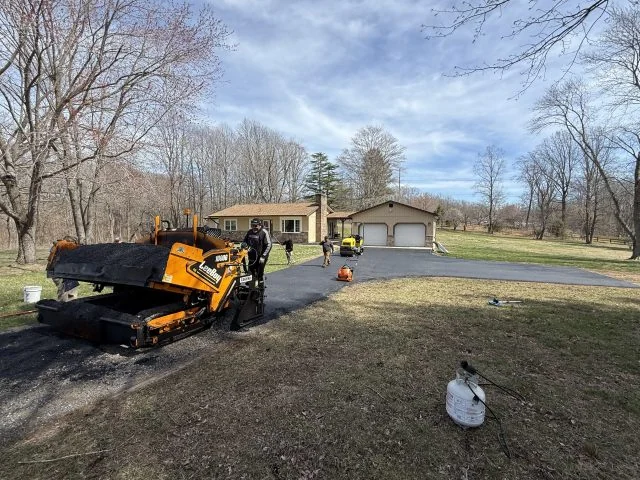
Is Blacktop the Same as Asphalt?
Why blacktop and asphalt usually mean the same hot-mix material, where the coarse-stone distinction comes from, and what actually decides lifespan.
Usually, yes. Pavement Interactive, a pavement engineering reference, says hot mix asphalt goes by many names, including asphalt concrete, asphalt and blacktop. Angi draws a finer line, calling blacktop an asphalt blend with more coarse stone that is common on home driveways. Either way, Angi says how long it lasts comes down to mix, installation and maintenance, not the name.
Same material, different names
Pavement Interactive says the most common type of flexible pavement surfacing in the U.S. is hot mix asphalt, and that it is known by many names: hot mix, asphalt concrete, asphalt, blacktop or bitumen. In that reference, blacktop is not a separate product, just another name for hot mix asphalt.
Where the coarse-stone idea comes from
Angi treats blacktop as a type of asphalt with more coarse aggregate, giving it a rougher, more textured look, and says it is often what goes on residential driveways while the installation process is the same. Pavement Interactive explains the underlying idea in engineering terms: dense-graded hot mix, the general-use kind, is classed as either fine-graded or coarse-graded, with fine-graded mixes carrying more fine and sand-sized particles. Angi itself calls blacktop a type of asphalt, so the difference it describes is a choice of mix, not a different material.
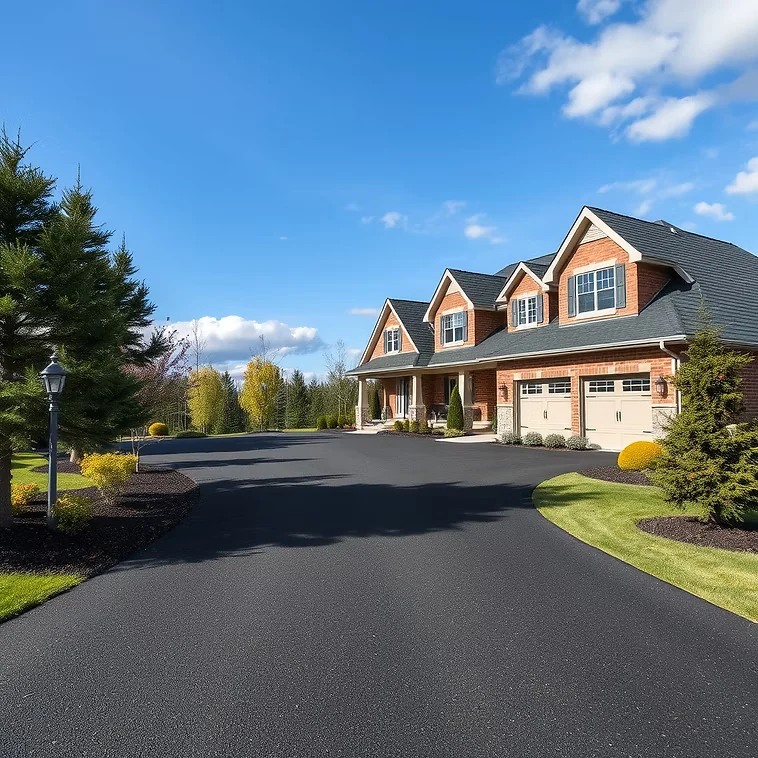
What decides how long it lasts
Angi says asphalt and blacktop both typically last 15 to 30 years when properly installed and maintained, and that longevity depends more on the mix design, the installation and the maintenance than on the label. It recommends sealing every two to three years. For the structure underneath, the Colorado Asphalt Pavement Association's residential guideline is a 2-inch bottom course and a 1.5-inch surface course over 6 to 8 inches of crushed aggregate. The National Asphalt Pavement Association says a professional contract should include the thickness of the pavement and who is responsible for site preparation and drainage. Those lines tell you more about a quote than whether it says blacktop or asphalt.
Not the same as tar and chip
Tar and chip is a different surface. Pavement Interactive describes chip seal as asphalt, typically an emulsion, sprayed on and covered with a single layer of stone to form a thin wearing surface, and says agencies treat surface treatments like it as maintenance rather than as hot mix asphalt pavement.
Keep reading
Frequently Asked Questions
Usually. Pavement Interactive lists blacktop as one of the names for hot mix asphalt. Angi describes blacktop as an asphalt blend with more coarse stone, common on home driveways.
Angi says asphalt and blacktop both typically last 15 to 30 years when properly installed and maintained, and that longevity depends more on mix design, installation and maintenance than the name.
No. Pavement Interactive describes chip seal (tar and chip) as a thin surface of sprayed asphalt covered with one layer of stone, and treats it as a maintenance surface rather than hot mix asphalt.
Sources
The figures on this page come from these sources, read on 2026-10-07. None of them is South State Paving's own claim.
- Pavement Interactive, Mix Types
- Angi, What's the Difference Between Asphalt vs. Blacktop?
- Colorado Asphalt Pavement Association (published by the Asphalt Institute), Best Practices for the Use of Asphalt Driveways, technical brief
- National Asphalt Pavement Association, Hiring an Asphalt Contractor for Driveways
- Pavement Interactive, Bituminous Surface Treatments (chip seals)